
Who we are
KASA-Lab is rooted in decades of accumulated professional experience at the nexus of science, data analysis, and public policy for disaster risk reduction, climate change adaptation, and socioeconomic development.
For more than 15 years, we - two geographers and one social anthropologist - have collaborated at the intersection of inequality and risk. With deep experience of the international development landscape, including the United Nations, governments, science and academia, and local and international non-profit organisations, we make complex risk knowledge actionable for communities, institutions, and individuals.
We believe that science, innovation, and interdisciplinarity are the foundations for generating much-needed action on disaster risk reduction and climate change adaptation, and that citizens and policy-makers, educators, and business leaders are its agents.
We value rigorous and transparent science, open knowledge, engaging communication, dialogue and collaboration grounded in interdisciplinary thinking that turns insight into resilience.
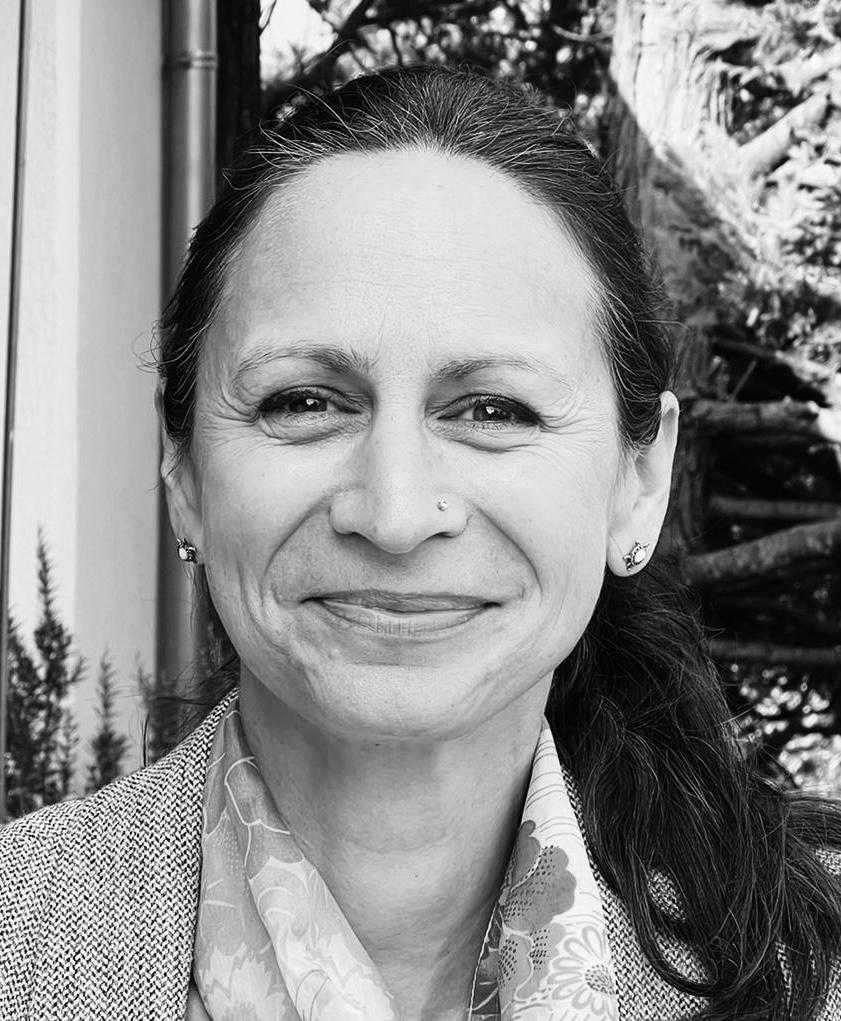
Bina Desai
Bina is a social anthropologist with more than two decades of experience working with governments, United Nations agencies, regional development banks, local and international non-profit organisations, academic programmes, and businesses on the impacts of climate change, disaster risk reduction, inequality and social development, displacement and migration, and urban change.
Bina has led large teams and multi-year, multi-million dollar programmes in the past, for example as the head of programmes at IDMC from 2017-2022 where she was responsible for the organisation’s research and policy, monitoring and data analysis, and risk modelling portfolio.
Prior to IDMC, she was the research manager and lead author for the United Nations’ Global Assessment Report on Disaster Risk Reduction at UNDRR from 2010-2017, designing, coordinating research for, and writing the biennial flagship reports. In addition, she drove the start-up of a public-private sector partnership, the RiSE initiative, which evolved into today’s ARISE global network.
Before joining the UN, Bina was the research coordinator for the international UK government funded consortium BDRC on community-based disaster risk reduction, and the lead for the Germany policy engagement and East Africa programme for the Aga Khan Foundation. For her Master’s programme and PhD research, she was also an affiliated researcher with the national Savannah Agricultural Research Institute in Ghana and the University of Delhi in India respectively.
Today, in addition to co-leading KASA, Bina is an advisor to the CGIAR’s climate security and capacity development teams, and supports international organisations such as ADB, IDMC, PDD, UNDP and UNDRR in selected research and programmes.
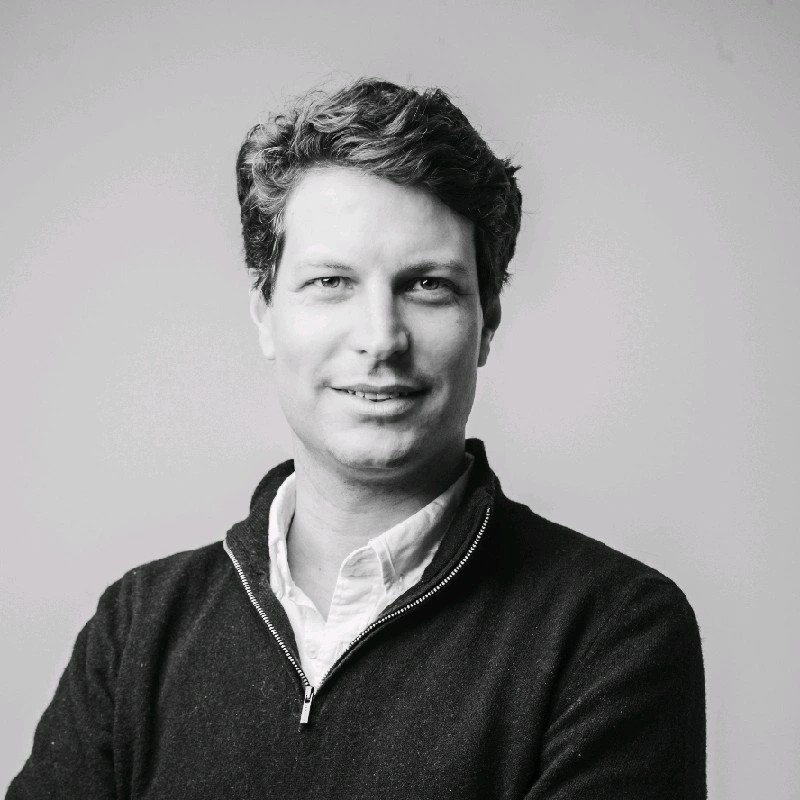
Vicente Anzellini
Vicente is a senior researcher and policy analyst with over thirteen years of experience at the intersection of disaster risk reduction, climate change and human mobility. He is known for analytical rigour, strategic thinking and an ability to bridge science and policy.
Before co‑founding KASA‑Lab, Vicente spent eight years at the Internal Displacement Monitoring Centre (IDMC), where he led the Global and Regional Analysis Team responsible for producing flagship publications including the Global Report on Internal Displacement, regional reports and country profiles. He also managed IDMC’s Monitoring Team during a two‑year transition period, guiding the production of global displacement estimates and defining monitoring frameworks. Throughout his tenure, he built strategic partnerships with UN agencies, civil society and academic organisations and served as one of the organisation’s senior experts and spokespersons.
Prior to joining IDMC, Vicente worked with UNDRR in Geneva and Nairobi, where he contributed to two editions of the Global Assessment Report on DRR and co‑authored “Progress and Challenges in Disaster Risk Reduction,” a key input to the development of policy indicators for what became the Sendai Framework. He also supported risk knowledge activities, notably the implementation of UNDRR’s Global Disaster Loss and Damage Collection Initiative in more than fifteen countries across Africa, Asia and the Pacific.
He holds a BA in History from Universidad de Los Andes (Bogotá, Colombia) and an MA in Human Geography (Cum Laude) from the University of Neuchâtel (Switzerland).
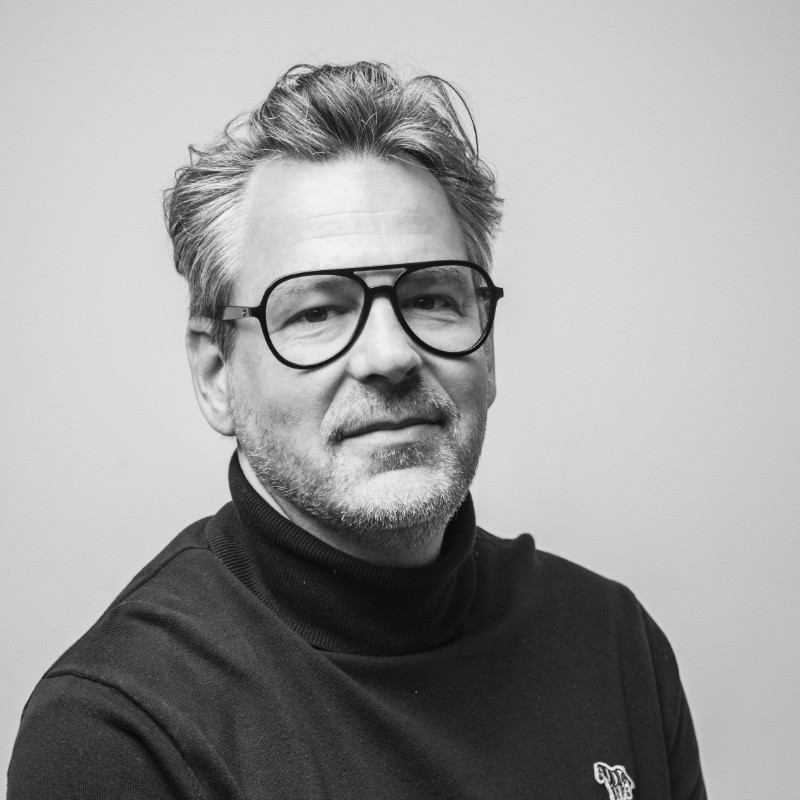
Sylvain Ponserre
Sylvain is a senior programme coordinator with more than two decades of experience in international organisations, leveraging science, technology, and innovation to advance disaster risk reduction, climate resilience, and sustainable development. Passionate about data visualization and science communication, he excels at transforming complex data into actionable insights and compelling narratives for diverse audiences.
Before co-founding KASA-Lab, he led the Data Management and Risk Analysis team, as well as its associated projects, at the IDMC, where he supervised the design and development of an information system to monitor internal displacement in all its dimensions: spatial, temporal, and magnitude. He produced cutting-edge analyses on disaster-related displacement in a changing climate and strengthened synergies to disseminate data and key findings. He also co-led the development of the Global Displacement Risk Model, coordinating a consortium of leading institutions (UNU, ETH Zurich, CIMA, etc.).
Prior to this, he worked as an Information Specialist at UNDRR, where he contributed to the development of PreventionWeb, a globally recognized platform. He also developed indicators for the Sendai Framework’s monitoring, participated in analytical reports such as the Global Assessment Report on Disaster Risk Reduction (GAR), and supported capacity-building efforts with member states, training national institutions on loss database implementation and promoting data collection synergies, including disaggregated impacts. Sylvain holds a Master’s degree in Geography from the University of Lyon 2, specializing in Nature-Society Interfaces.
Today, in addition to co-directing KASA-Lab, he serves as a visiting scientist at UNU, advising on displacement risk modeling and exploring emerging risks such as biodiversity loss and compounding hazards.